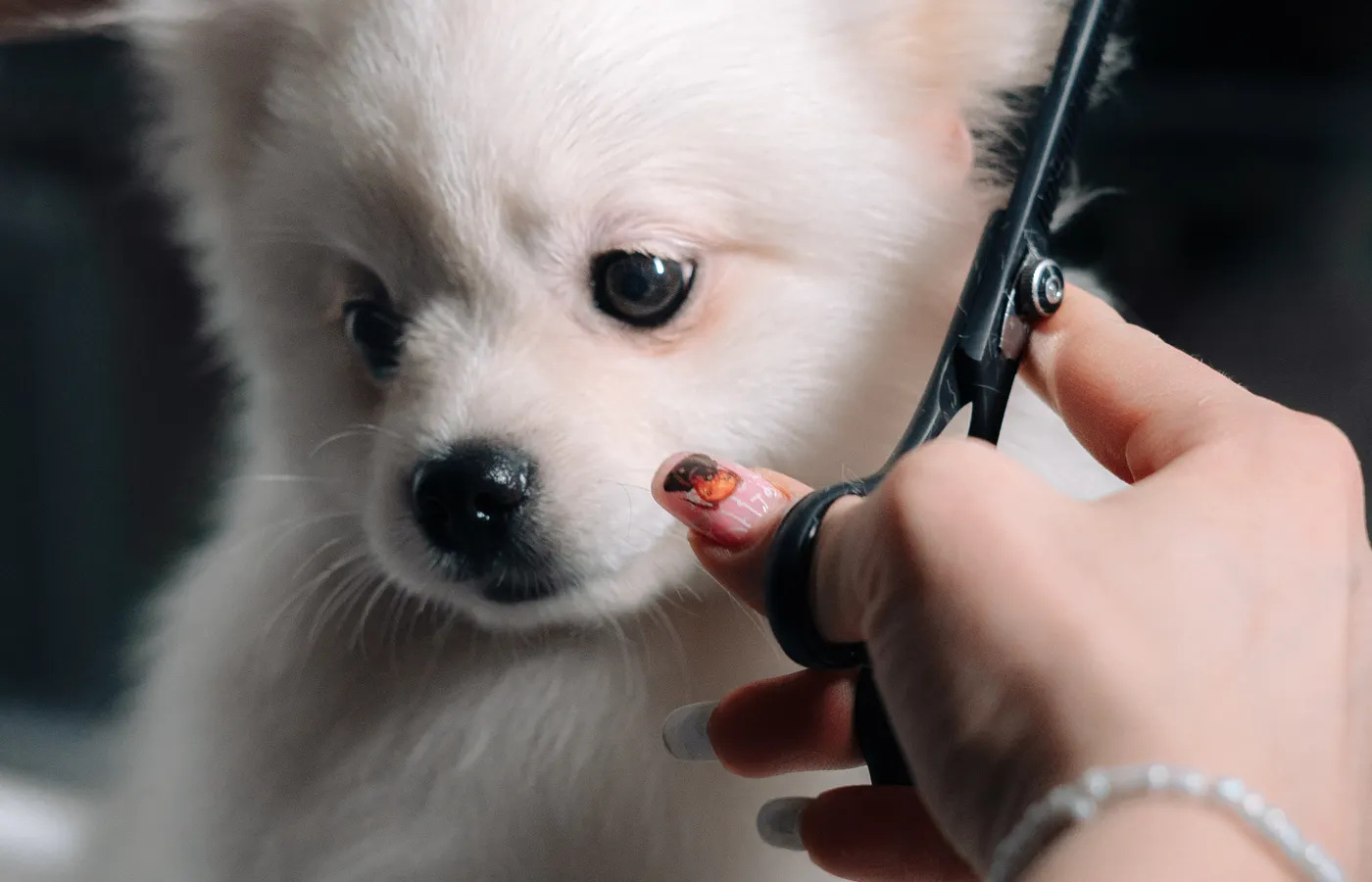
The safest way to request a Pomeranian haircut is to describe the finished shape and remaining length, area by area. Do not rely on “trim,” “fox cut,” or “lion cut” alone. Owners have used those names and received very different results. State whether clippers may touch the body, identify the areas that should remain full, and show a reference photo before the dog leaves your hands.
Haircut for pomeranian dog: replace “trim” with a map A request for a trim can produce anything from lightly shaped feet to a much shorter body. One owner took in a six month old Pomeranian because the paw hair and rear furnishings needed attention. The dog also had mats behind the ears . The returned haircut removed more body length than the owner expected, even though the appointment had been discussed as a clean up. Another owner asked for a one half inch scissor cut. The dog came back cut into the undercoat with a one inch guarded blade . The numbers sounded specific, yet the tool and the intended result were not confirmed together. A usable instruction separates the body into parts. Specify the body, chest, neck ruff, rear, legs, feet, ears, head, and tail. For each area, say whether it should remain full, be lightly shaped, or be shortened to a measured length. Ask the groomer to repeat the plan and identify where clippers will be used. This takes longer than naming a style. It is still quicker than discovering at pickup that “clean up” meant a new silhouette.
Haircut styles for pomeranians do not have fixed meanings Style names sound precise because they produce a clear picture in the owner’s mind. They are less precise at the grooming table. One owner asked for the dog to be cut short, with the head blended into the neck, and specifically rejected a lion cut. The finished dog still had a lion cut. The owner changed groomers. In another discussion, one person called a short, shaped finish a fox cut while someone else said a groomer called the same general appearance a bear cut. The disagreement was not about spelling. It showed that the name did not reliably define the neck, face, or body. Bring a photograph, but describe the photograph as well. Point out the visible ear shape, the amount of mane around the neck, the body length, and whether the tail stays full. A photo of a different dog cannot show how the same outline will sit on your Pomeranian’s coat, so the spoken map still matters.
Lion cut for pomeranian: define the mane and body separately A lion cut leaves a fuller mane while shortening the body, but even that description leaves room for disagreement. Where does the mane stop? Is the neck blended into the body? How short is the body? What happens to the legs and tail? One first time owner agreed to a lion cut for a ten month old Pomeranian without understanding what the groomer meant. The owner thought the neck hair would be puffed out. The finished body was short enough that the skin could almost be seen. Another owner deliberately requested a modified lion cut for a disabled Pomeranian. The rear and belly needed practical shortening because the dog could not use the back legs. The owner asked the groomer to leave the undercoat alone. After one month, the owner reported at least one inch of growth and preferred the shorter length for that dog’s comfort. These are opposite outcomes under a similar name. One was an unexpected cosmetic transformation. The other was a targeted modification built around the dog’s physical needs. If you request a lion cut, define the boundary of the mane, the body length, the rear, the belly, the legs, and the tail before the appointment begins.
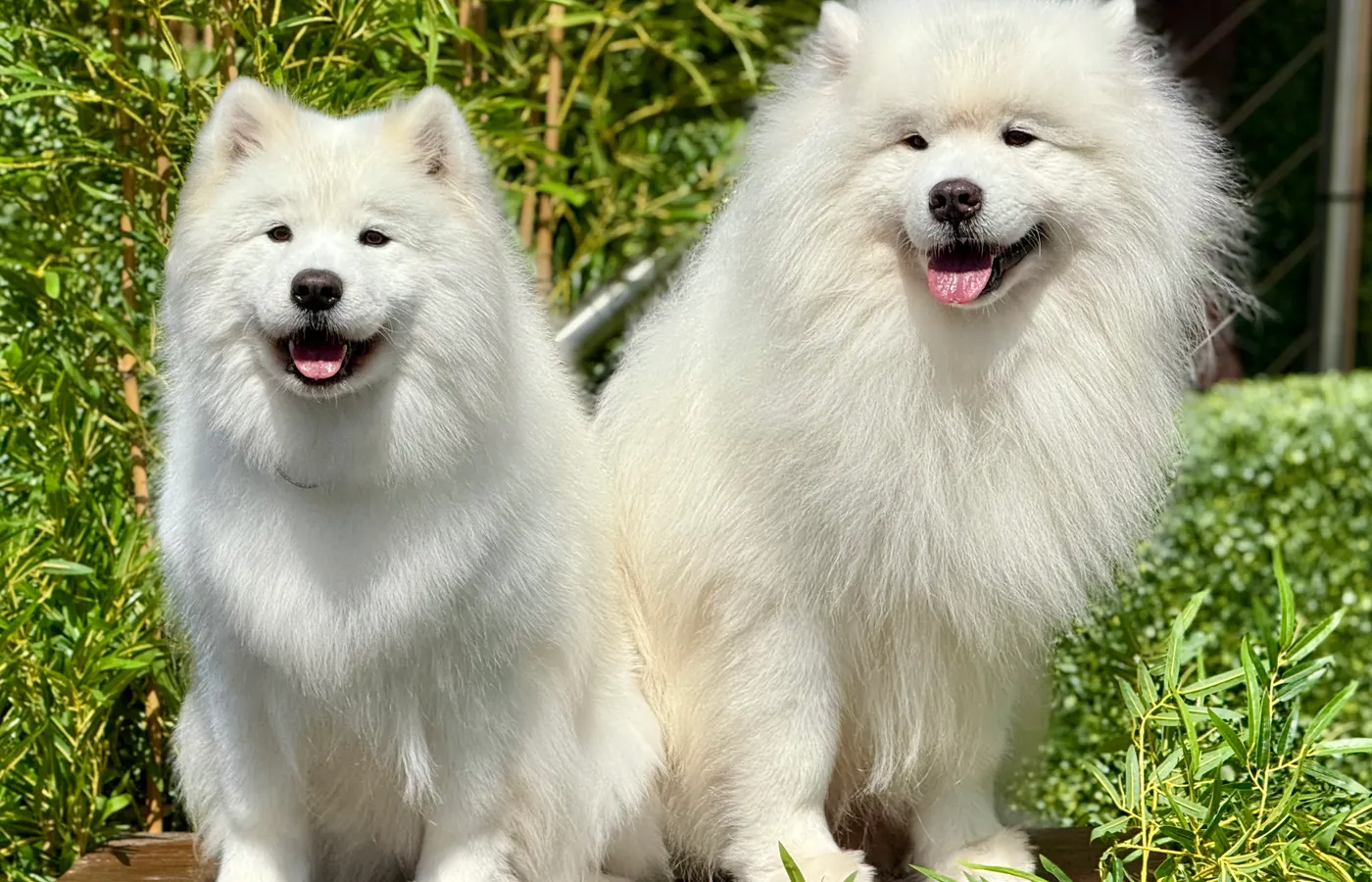
Fox pomeranian haircut: keep the pointed outline in the instructions A fox Pomeranian haircut is usually requested by owners who want a more pointed, natural expression instead of a round head. The word “fox” alone does not establish how much body coat will be removed. Ask for the face and ears to retain a pointed outline. Then give separate instructions for the body. If the goal is a light shape rather than a short body, say that explicitly. Mark the neck ruff and tail as areas to preserve if that is the look you want. The same rule applies when a photograph is labeled fox, bear, puppy, or show cut. Treat the label as a conversation opener. Treat the area by area description as the actual instruction.
The cheapest nearby appointment may not be the useful comparison One owner paid $45 every two months for a full body outline trim that included a bath, brushing, and a sanitary trim. Closer salons quoted $65 for a bath and brush or $85 for a full body outline trim. The price difference was real, but the larger decision was whether the closer groomer could reproduce the accepted outline. A lower price does not repair an unclear haircut request, and a higher price does not prove that two people mean the same thing by “outline trim.” Compare the included work, the interval, and the groomer’s ability to repeat a documented finish. Keep photos of your own dog after a haircut you liked. Those photos show the result on the coat that will actually be cut.
Recovery time cannot be promised from a style name Owners reported very different experiences after short cuts. A seven year old Pomeranian went to the same groomer used for years with instructions stating that the dog should not be shaved. The dog returned with a Boo style cut, and the shop issued a full refund. Another owner reported visible progress three weeks after an unwanted short haircut. A different owner said a shaved coat took almost a year to return. These reports do not create a dependable recovery schedule. They show why the remaining length should be settled before cutting begins. At pickup, compare the result with the agreed map before leaving. Photograph the body, neck, rear, head, and tail in the same session. For the next appointment, those images are more useful than trying to remember which version of a named haircut the previous groomer used. The practical choice is not simply between long and short. It is between a defined result and a label that each person may picture differently.