Independent, source-led dog grooming guidanceUpdated September 2026
Breed Grooming

Labrador Grooming: Make the Routine Work Beyond the Brush

Vetted Picks Lab · Source-led editorial guide
Affiliate disclosure: Vetted Picks Lab may eventually earn from qualifying retailer links. No paid links are active yet; product references are editorial and current-price links remain pending.
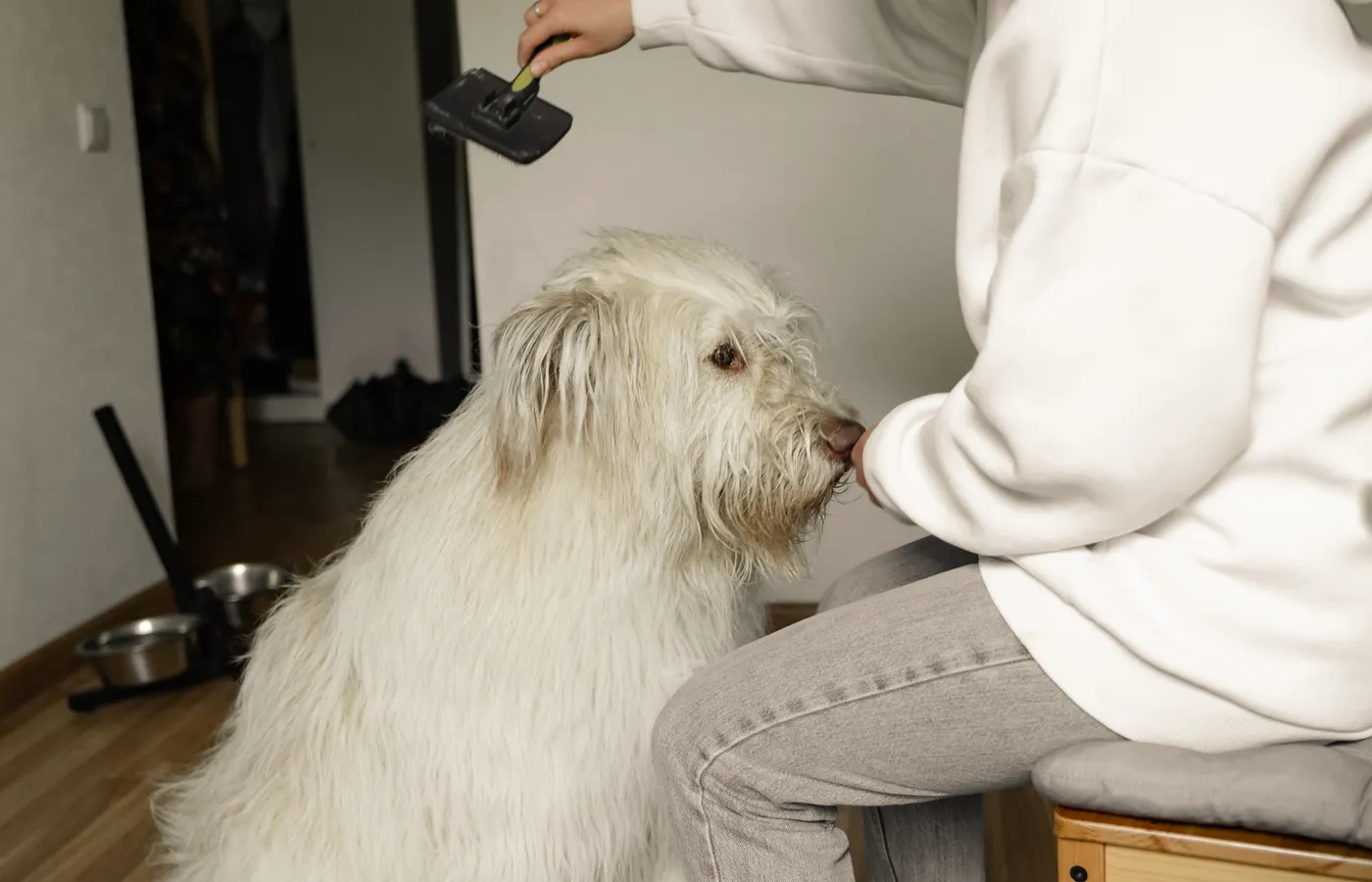
A woman in a hoodie grooms her large dog indoors on a wooden floor with a hairbrush.

Labrador grooming needs a brush that removes loose hair comfortably, a workable bath setup, and a manageable nail-care routine. Buying another tool can help, but the obstacle may be repeated brush cleaning, slippery footing, or where you handle the feet. Change the part that stalls the job rather than replacing everything.

Labrador retriever grooming: brush cleaning counts as work One owner found that a FURminator filled after a single sweep and needed constant clearing. A double-hoop shedding brush worked better for that owner, but left loosened hair sitting on the Labrador. A pet vacuum brush became the follow-up tool for collecting it. That is a two-stage routine, not a brush that makes cleanup disappear. When comparing tools, include the interruptions needed to clear the working head and collect the hair it leaves behind. Comfort produced a different switch in another household. A Labrador disliked the FURminator but accepted a silicone brush with longer bristles and wider gaps. Another owner reported using a FURminator once a week without coat problems. These are contrasting outcomes, not proof that either tool is right for every Labrador.

Price the whole bath, including drying One Australian owner had a 35 kg Labrador and used a self-service dog wash that charged A$10 for unlimited time. When the charge changed to A$10 per ten minutes, the owner decided to wash at home. The established routine took about an hour: double shampooing, thorough washing, conditioning, and complete drying . At the reported new rate, sixty minutes would cost A$60, calculated as six ten-minute periods multiplied by A$10. That calculation describes that particular charging arrangement, not a current price for other dog washes. Drying belonged in the bill. Comparing only the time spent applying shampoo would have missed most of the owner's practical problem. Moving home introduced another constraint. The Labrador had fallen as a puppy and subsequently feared unstable or slippery surfaces, including wood, tiles, and anything that shook. An elevated table did not look workable for that dog. A setup that saves the owner's back still needs footing the dog can use confidently. The owner had already tried the shower and bath. Brushing beforehand did not prevent substantial hair release once the coat was wet. A dry brushing session and a bath therefore need separate cleanup plans.
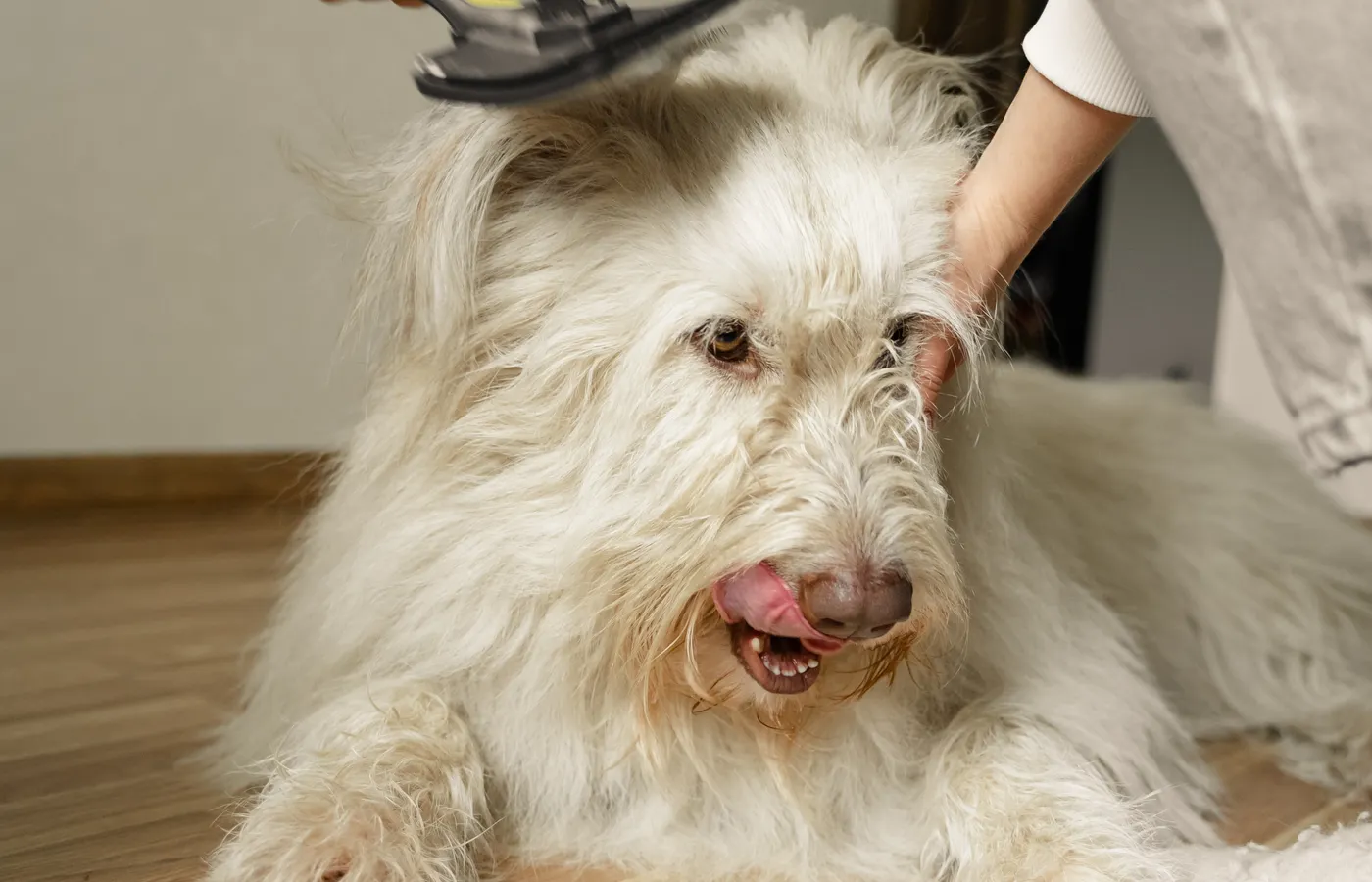
A person brushes a fluffy white dog on a wooden floor.
Real-world grooming context. Photo: Pexels.

How to groom a labrador when nail care stalls A quieter response to one tool does not predict the response to another. One Labrador that hated nail clippers was calmer with a Dremel PawControl. Another owner reported the opposite problem: a previously tolerated Dremel became unacceptable after a bad veterinary experience. There is also a route that keeps the clippers. One owner progressed from touching paws, to holding them, to touching a clipper against a nail without cutting, and finally to clipping with treats. That process took weeks before trimming became manageable. Location can matter even without a new tool. One Labrador owner found nail clipping easier outdoors on the deck in summer while the dog stood. Indoors in winter, the same dog was more suspicious of the clipper. That observation does not establish whether the season or the setting caused the difference, but it gives the owner a specific condition to test. Stillness is not always a fear problem. Another owner described positive excitement during nail clipping and managed only one claw before taking a break. For your next session, record what actually interrupts the work: clearing the brush, collecting loose hair, finishing the paid wash period, maintaining secure footing, or holding a paw still. Those notes distinguish a tool problem from a setup problem. They also make the next purchase or booking a more precise decision.

Check current price on Amazon (link pending)

How this guide fits a complete grooming plan

The preserved guide above remains the controlling editorial text. Use it with a written record of the dog, coat condition, body area, tool or attachment, direction, and the point at which the session stopped. That record helps distinguish a coat-preparation problem from a tool-fit or handling problem without turning one household’s outcome into a universal product claim.

For buying decisions, verify the exact model and compatible parts on the manufacturer’s current page. Published specifications can establish what a tool is designed to accept, but they cannot establish that a particular dog will tolerate its sound, vibration, contact, or required position. Leave any unverified field blank and do not infer blade material, runtime, noise, price, rating, or professional approval from a marketplace title.

Build the surrounding routine

Inspect the coat and skin in good light, use stable nonslip footing, and prepare only the tools required for the next limited step. Brushing, comb checking, bathing when appropriate, thorough drying, clipping, scissoring, nail care, and cleanup create different demands. Plan breaks and stopping rules before beginning. Stop for pain, distress, tight matting, abnormal skin, poor visibility, overheating equipment, damaged parts, or loss of safe control.

A smaller, maintainable kit is more useful than overlapping accessories that cannot be identified or serviced. Include replacement blades or abrasives where relevant, cleaning supplies, storage, and access to instructions in the ownership cost. Current retailer prices are not stated because there is no verified price-update system.

Continue through the topic cluster

Frequently asked questions

Does this article claim a Vetted Picks Lab hands-on test?

No. The preserved manuscript reports its sources and scenarios in its original wording. Additional navigation and safety context does not convert those reports into a new hands-on test.

How should a product be selected?

Match documented compatibility and intended use to the dog’s coat, body area, handling needs, work space, and maintenance plan. Price and accessory count alone do not establish fit.

When is professional help appropriate?

Use a qualified groomer or veterinarian when tight mats, skin changes, pain, difficult behavior, sensitive anatomy, or an unsafe working position exceeds the handler’s training or equipment.

Are affiliate links active?

No. Commercial destinations are centralized as PENDING. “Check current price on Amazon” remains an inactive label until an approved program and exact destination are verified.

Sources for this supplementary framework

Sources last checked 2026-09-28.

Keep the record useful over time

Revisit the written plan when the season, coat condition, mobility, or tolerance changes. A tool that suited one stage may no longer suit the same dog after a coat transition, injury, aging, or a change in the work area. Compare the new situation with the earlier record before changing several variables at once. Introduce one change, keep the session limited, and record why it helped or failed. This preserves the original article as evidence while making the next decision more precise.

When a manufacturer updates a product family, verify the exact model, manual, attachment fit, and replacement parts again. Do not assume a familiar product name means the construction stayed identical. If the relevant source is unavailable or ambiguous, omit the specification and ask the manufacturer or a qualified professional. Honest uncertainty is safer than filling the gap with a copied retailer claim.