Home › Guides › Golden Retriever Grooming: Build the Routine Around the Dog
Breed Grooming
Golden Retriever Grooming: Build the Routine Around the Dog
Vetted Picks Lab · Source-led editorial guide
Golden retriever grooming starts with a brush or comb your dog accepts, a way to dry the coat after water play, and small, deliberate trims where hair gets untidy. A full-body haircut is not the goal. If a tool makes your Golden retreat, change the contact or the setup before trying to finish the same pass by force.
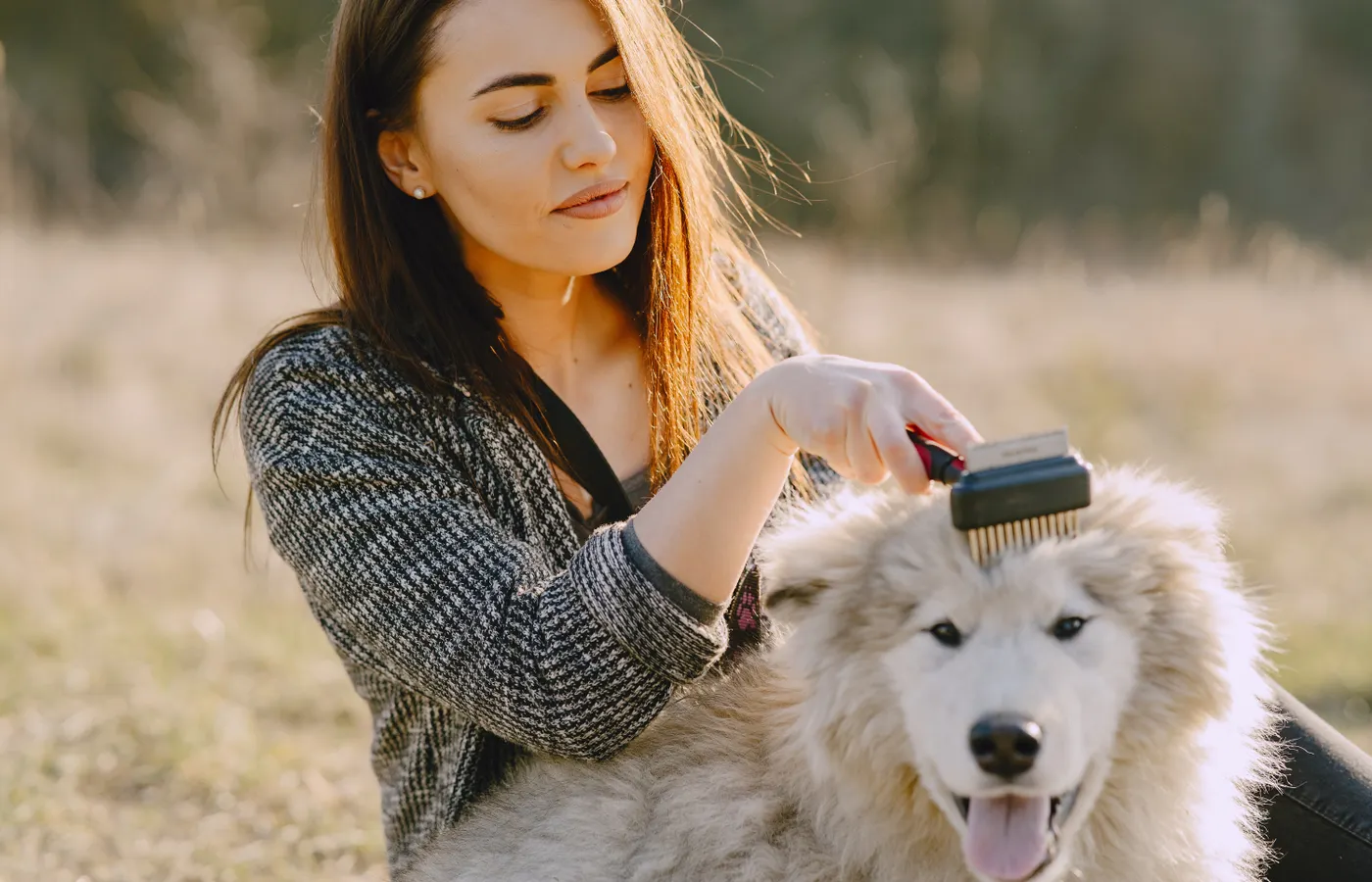
How to groom a golden retriever that resists the brush Treats, a chance to sniff the brush, and strokes with its back were not enough for one Golden puppy: she still ran from the slicker. A different household began with a brushing glove, then introduced a deshedding brush and slicker as its dog became comfortable. Their early sessions lasted about five minutes. The useful change was the feel of the tool against the dog, not simply a larger reward. An adult Golden can pose the opposite problem. One owner used a slicker regularly but found a FURminator needed clearing too often, so a rake became the tool for heavier shedding. Another owner liked the FURminator after learning to control its angle and pressure, yet later added a metal rake rather than treating either tool as the whole routine. Those experiences disagree about the first tool to reach for. They agree on a more useful test: watch what comes out of the coat and whether you can complete the session without repeatedly stopping.
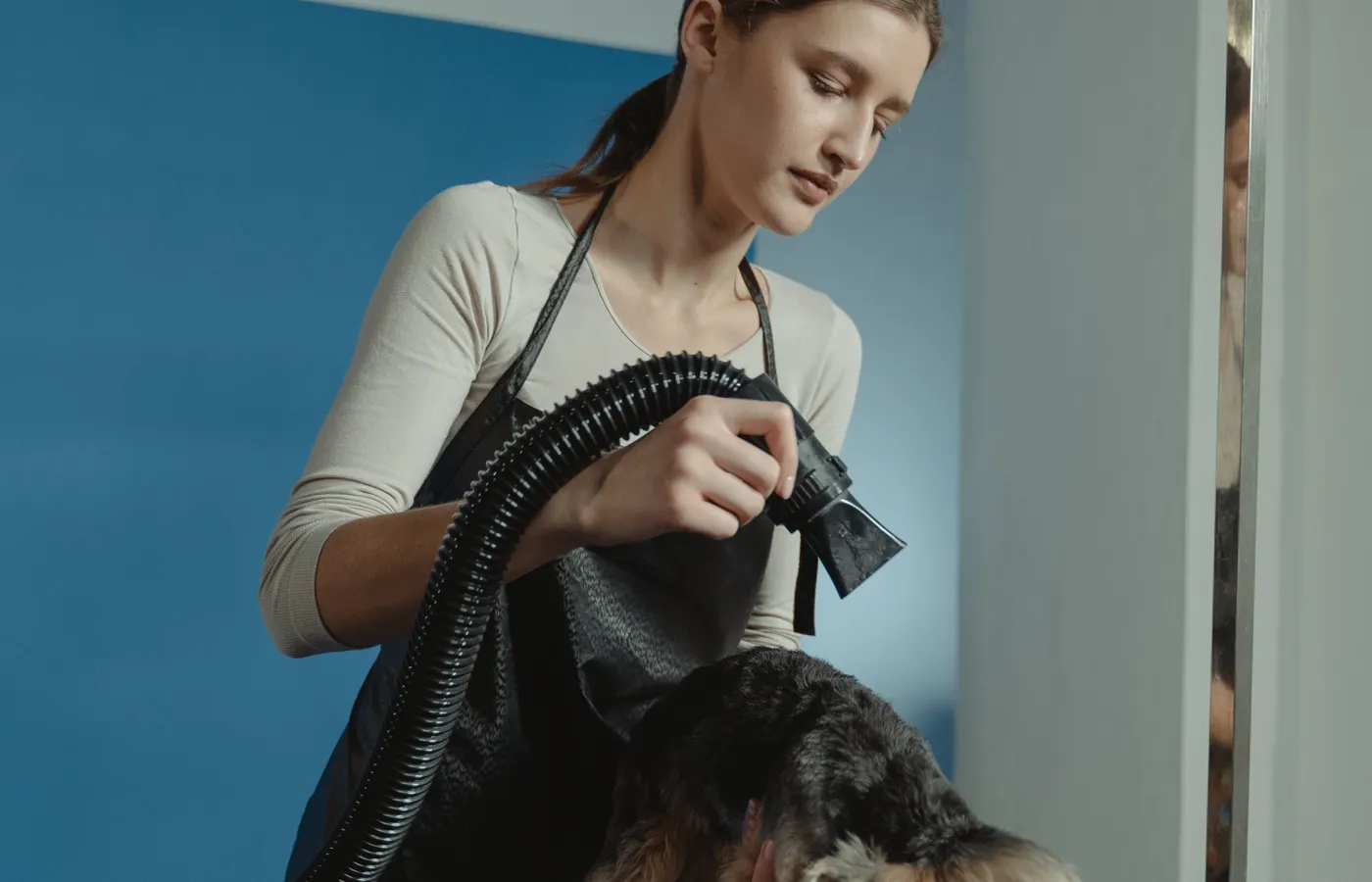
Grooming a golden retriever at home after swimming For a Golden that spends time in water and sand, brushing is only part of the work. One home groomer puts a high-velocity dryer ahead of a greyhound comb and uses the slicker less, because prolonged slicker work irritates that dog’s skin. Another owner abandoned a FURminator after it left visible cowlicks as the coat grew out; a dog dryer and brush became the better combination after swims. The place where grooming happens matters, too. A Golden that resisted a 36-inch Master Equipment table accepted the 48-inch version. Its owner had also tried another brand before returning to Master Equipment because the alternative felt poorer in quality. Buying a brush would not have fixed a dog that lacked comfortable standing space.
Real-world grooming context. Photo: Pexels.
Golden retriever coat care when trimming is the difficult part Keep the cut modest and check the result before taking more hair. One owner uses straight and blending Oster shears that cost about $15 each when purchased, has kept them for more than five years, and trims the Golden about six times a year. Small clippers have a separate job in that routine: dealing with hair beneath the paws where mats form between the pads. That owner does not try to finish every edge in one uninterrupted session. After a little trimming, they brush out the cut hair, step away, and reassess the shape about half an hour later. This pause protects against the familiar problem of making another cut simply because the dog is still on the table. Groom the coat you have in front of you; let the finish, the dog’s tolerance, and the next problem area determine what happens next.
How this guide fits a complete grooming plan
The preserved guide above remains the controlling editorial text. Use it with a written record of the dog, coat condition, body area, tool or attachment, direction, and the point at which the session stopped. That record helps distinguish a coat-preparation problem from a tool-fit or handling problem without turning one household’s outcome into a universal product claim.
For buying decisions, verify the exact model and compatible parts on the manufacturer’s current page. Published specifications can establish what a tool is designed to accept, but they cannot establish that a particular dog will tolerate its sound, vibration, contact, or required position. Leave any unverified field blank and do not infer blade material, runtime, noise, price, rating, or professional approval from a marketplace title.
Build the surrounding routine
Inspect the coat and skin in good light, use stable nonslip footing, and prepare only the tools required for the next limited step. Brushing, comb checking, bathing when appropriate, thorough drying, clipping, scissoring, nail care, and cleanup create different demands. Plan breaks and stopping rules before beginning. Stop for pain, distress, tight matting, abnormal skin, poor visibility, overheating equipment, damaged parts, or loss of safe control.
A smaller, maintainable kit is more useful than overlapping accessories that cannot be identified or serviced. Include replacement blades or abrasives where relevant, cleaning supplies, storage, and access to instructions in the ownership cost. Current retailer prices are not stated because there is no verified price-update system.
Does this article claim a Vetted Picks Lab hands-on test?
No. The preserved manuscript reports its sources and scenarios in its original wording. Additional navigation and safety context does not convert those reports into a new hands-on test.
How should a product be selected?
Match documented compatibility and intended use to the dog’s coat, body area, handling needs, work space, and maintenance plan. Price and accessory count alone do not establish fit.
When is professional help appropriate?
Use a qualified groomer or veterinarian when tight mats, skin changes, pain, difficult behavior, sensitive anatomy, or an unsafe working position exceeds the handler’s training or equipment.
Are affiliate links active?
No. Commercial destinations are centralized as PENDING. “Check current price on Amazon” remains an inactive label until an approved program and exact destination are verified.
Revisit the written plan when the season, coat condition, mobility, or tolerance changes. A tool that suited one stage may no longer suit the same dog after a coat transition, injury, aging, or a change in the work area. Compare the new situation with the earlier record before changing several variables at once. Introduce one change, keep the session limited, and record why it helped or failed. This preserves the original article as evidence while making the next decision more precise.
When a manufacturer updates a product family, verify the exact model, manual, attachment fit, and replacement parts again. Do not assume a familiar product name means the construction stayed identical. If the relevant source is unavailable or ambiguous, omit the specification and ask the manufacturer or a qualified professional. Honest uncertainty is safer than filling the gap with a copied retailer claim.